 info@tempuslaw.com.au
 0420 446 399

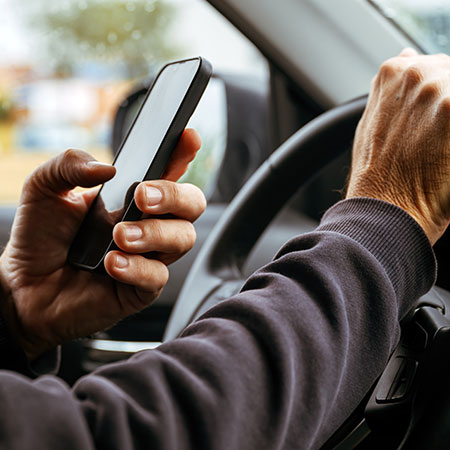
Mobile Phone Offences While Driving in NSW

Understanding the Law, Camera Detection Systems, and Your Options
The use of mobile phones when operating a vehicle is perhaps one of the most heavily enforced traffic offences in New South Wales. With the widespread deployment of mobile phone detection cameras across Sydney and regional NSW, thousands of drivers are being issued with infringement notices each month.
These mobile phone detection cameras are now widely used across New South Wales roads to reduce distracted driving and to improve road safety. These advanced systems use artificial intelligence to automatically detect drivers who are unlawfully using a mobile phone when driving or when not permitted.
Many drivers are unaware that even brief interaction with a phone can constitute an offence, and a common misconception is that placing a phone in a cradle allows unrestricted use. This is not the case.
Understanding how these cameras work, what the law says about mobile phone use, and what penalties apply is essential for drivers to avoid the potential legal consequences of incorrectly using their mobile phone when operating a vehicle.
The law on mobile phone use while driving
The use of mobile phones while driving a vehicle is NSW is regulated by the Road Rules 2014 (NSW) (‘the Road Rules’).
Pursuant to rule 300 of the Road Rules, a driver of a vehicle must not use a mobile phone while the vehicle is moving, or is stationary but not parked, unless:
- (a) The phone is being used to make or receive an audio phone call or perform an audio playing function and the body of the phone –
- a. Is secured in a mounting affixed to the vehicle while it is being used, or
- b. Is not secured in a mounting affixed to the vehicle and is not being held by the driver, and the use of the mobile phone does not require the driver, at any time while using it, to press any things on the body of the phone or to otherwise manipulate any part of the body of the phone.
- (b) The phone is functioning as a visual display unit that is being used as a driver’s aid and the phone is secured in a mounting affixed to the vehicle, or
- (c) The vehicle is an emergency services vehicle or a police vehicle, or
- (d) The driver is exempt from this rile under another law of the jurisdiction.
What this means is that, if you receive or are making an audio phone call or using an audio playing function, your phone must either:
- (a) Be secured in a mounting affixed to the vehicle, or
- (b) If it is not secured in a mounting affixed to the vehicle, the deriver must not hold or use the mobile phone while engaging with that feature of the phone.
It is considered unlawful for you use your mobile phone to engage in a video call or utilise a video playing function (such as streaming a TV show, watching a YouTube video or scrolling through TikTok). This is even if your mobile phone is affixed in a secured mounting device.
What is a “mounting device”?
A mounting device is a commercially designed product which is manufactured to secure a mobile phone to a vehicle.
When is a vehicle considered to be parked?
A vehicle is considered to be parked when the vehicle gear is shifted into the “park” function. This is even so when the key is located in the vehicle’s ignition lock, or if the vehicle engine is running.
A vehicle is considered to be driving even when it is stopped at a traffic light, waiting in traffic or stationary in a queue. The only time a driver may freely use a mobile phone is when the vehicle is parked out of the line of traffic.
There is an exception to this rule if the vehicle is stationary in a road related area and the phone is:
- Functioning as a payment device to enable the driver to pay for goods or services, or
- Is being used to display an electronic coupon, voucher, card, or similar article that requires the body of the phone to be held in close proximity to another device, or
- Is being used as an electronic device which enables the driver to enter another road related area or land adjacent to the road related area.
How is “using” a mobile phone defined?
The term “use” is defined in role 300(4) of the Road Rules to include any of the following functions by a driver:
- (a) Holding the body of the phone in her or his hand (whether or not engaged in a phone call), except while in the process of giving the body of the phone to a passenger in the vehicle,
- (b) Entering or placing, other than by use of voice, anything into the phone, or sending or looking at anything that is in the phone,
- (c) Turning the phone on or off, or
- (d) Operating any other function of the phone.
When mobile phone use is permitted
Only unrestricted licence holders are permitted to use a mobile phone while driving if the mobile phone is:
- Secured in a cradle fixed to the vehicle, or
- Connected to the vehicle via Bluetooth or similar technology.
Even then, the use of the phone is strictly limited to certain functions. Permitted functions generally include making or receiving phone calls, using navigation (such as maps), and playing audio or music. Any other interaction with the phone while driving may still constitute an offence.
There is an exception or a defence if you were holding the body of your mobile phone to hand it to the front seat passenger.
A phone in a cradle does NOT allow full use
One of the most common misunderstandings about the law is that placing a phone in a cradle makes it legal to use all the functions on a mobile phone. This is incorrect. Even when the mobile phone is mounted in a cradle, drivers cannot:
- Browse the internet,
- Scroll on social media,
- Watch videos,
- Check emails,
- Type messages, or
- Send or receive messages.
In respect of typing, sending or receiving text messages, it is not considered unlawful if you use a ‘speech to text function’ in your vehicle, connected via Bluetooth technology. If, however, you touch your phone and type a message, it will amount to an illegal use of the mobile phone. If you wish to use any of the abovementioned features of your mobile phone, you must first park your vehicle.
Many drivers receive fines in situations where they did not realise that they were committing an offence. Common examples include:
- Briefly checking a message while stopped at traffic lights,
- Holding a phone below the steering wheel,
- Scrolling through music or social media on a mounted phone, or
- Touching a phone to read notifications
Even momentary use of a phone may be detected by the camera system and may result in a fine being issued against a driver.
Can front seat passengers use their mobile phones?
Yes. A front seat passenger is permitted to use the ordinary functions of their mobile phone so long as the screen is not visible to the driver of the vehicle.
Provisional or learner licence rules
The rules are much stricter for learner and provisional licence holders. Provisional (P1 or P2) drivers and learner licence drivers are prohibited from using a mobile phone when operating a vehicle. This even includes using a mobile phone:
- When it is secured in an approved cradle,
- When using navigation, or
- When the phone is connected to the vehicle via Bluetooth technology.
ANY interaction with a phone while driving can result in an offence and heavy penalties. This applies regardless of whether the phone is being handled, resting on any part of the body, secured in an approved mounting affixed to the vehicle, or via a Bluetooth function of the vehicle.
Use of GPS devices
Yes. Learner and provisional licence holders are permitted to use a GPS device to assist with their navigation while operating a vehicle. The GPS device must not be a mobile phone. It must further be appropriately mounted and affixed to the vehicle, and not obstructing the view of the driver.
Use of mobile phone to show a Digital Drivers Licence
If your vehicle has been stopped by a NSW Police officer, you are permitted to use your mobile phone to show your Digital Drivers Licence to the officer. So long as you have placed your vehicle in park and after the officer has asked to sight your licence.
Mobile phone detection cameras
Being distracted while driving increases your chances of having a collision, it slows your reaction time and puts you in danger of failing to see pedestrians, bicycle riders or other road users. NSW has introduced a large network of mobile phone detection cameras designed to automatically identify drivers illegally using mobile phones.
These cameras use high-resolution imaging, artificial intelligence technology, and manual verification of suspected offences. Images captured by the cameras show the interior of the vehicle and can clearly identify whether a driver is holding or interacting with a phone. It is not uncommon for the camera to take an image of the licence plate of the vehicle – this is so as to identify the registered owner of the vehicle to issue the fine.
The program is administered by Transport for NSW and operates across metropolitan and regional road networks. If the system detects a potential offence:
- Images of the vehicle are captured.
- Artificial intelligence identifies possible phone use.
- Authorised reviewers examine the images.
- If confirmed, a penalty notice is issued.
The infringement is typically sent to the registered owner of the vehicle.
Penalties for mobile phone offences
Driving while using a mobile phone carries significant penalties in NSW. The standard infringement penalties include:
- A fine of approximately $423 (or $562 if detected in a school zone), and
- 5 demerit points.
If you are found to have been using a mobile phone during the double demerit period, you will be liable to a penalty of 10 demerit points. For many drivers, particularly those with limited remaining demerit points, this can result in licence suspension. If the matter proceeds to court, the maximum fine that may be imposed may be increased to a maximum of $2,200.00.
What happens if you receive a mobile phone fine
If a mobile phone detection camera records an offence, a penalty notice is issued. Drivers can usually access the image evidence online through Revenue NSW, which allows them to review the photograph that allegedly shows the offence. The image will generally show the vehicle interior, the licence plate, the driver, and the mobile phone.
Your options after receiving a fine
If you receive a mobile phone offence notice, you generally have several options.
Pay the fine: Paying the fine finalises the matter but results in the loss of demerit points. These demerit points will be recorded against your licence for a minimum period of three years.
Request a review: Drivers may request an internal review through Revenue NSW if they believe the infringement was issued incorrectly. This may apply where the image does not clearly show a phone, the phone was not being used illegally, or the driver was not the person operating the vehicle.
Elect to take the matter to court: Drivers may elect to have the matter determined by a court.
Pleading not guilty
This particularly occurs when the driver does not believe that they were using a mobile phone while operating a vehicle. The driver will be given a court summons to attend their local court on a specified date. On the date of the first appearance, if it is the case that they are contesting ever using a mobile phone, a plea of not guilty will be entered. The matter will then be listed for a hearing in a few months time.
At the hearing, it is for the Prosecution to demonstrate, beyond reasonable doubt, that you were using a mobile phone contrary to rule 300 of the Road Rules. Usually, the prosecution will rely on images taken by mobile phone detection cameras. In some cases, the images do not depict the driver to be holding a mobile phone, but rather, holding another item in their hand (such as sunglasses, a wallet, a GPS, etc).
It is ordinarily the case that the driver is required to give short evidence about what device, if any, is depicted in their hand (if not a mobile phone), or if it was a mobile phone, provide evidence that they were handing the mobile phone to their passenger (as permitted by the legislation).
Pleading guilty
A driver may seek to elect to have the matter determined by a Court and request leniency in respect of the punishment imposed. This option is often exercised by drivers who have exceeded their demerit point limit or believe that there were exceptional circumstances warranting the use of a mobile phone.
It is emphasised that the use of a mobile phone when operating a vehicle is inherently dangerous – not only to the driver, but to other uses of the roadway. It is commonly accepted that the use of a mobile phone is distracting and that it increases the chances of a driver being involved in an accident. Because of his inherent and increased risk, it is often the case that court’s will refuse to exercise their discretion and afford a driver with leniency. In fact, it is important to understand that the maximum penalty in court is higher than the penalty notice amount. The Court is permitted to increase the fine to a maximum of $2,200. Legal advice should be obtained before an election is made. In rare cases, a court may elect to dismiss the charge and impose a non-conviction order. What this means is that the demerit points are not imposed against a driver.
Getting legal advice
If you have received a mobile phone offence, it may be worth obtaining legal advice before deciding how to respond. A criminal or traffic lawyer can review the camera images, assess whether the offence is properly made out, advise whether a review or court election is appropriate, and represent you in court if necessary. Early legal advice can help ensure that you make an informed decision about how to deal with the infringement. If you have received a mobile phone detection camera fine in NSW and are unsure of your options, obtaining legal advice before responding to the penalty notice is recommended.
What we offer
Strategic Criminal Defence Backed by Experience

Immediate legal advice following arrest or charge

Urgent bail applications

Ongoing representation in court

Negotiation with the prosecution

Clear guidance on your obligations
DISCREET. DETERMINED.
ON YOUR SIDE.
We take a strategic approach, respectful to each case - focused on protecting your interest
and working towards achieving the best possible outcome.
If you've been accused of a domestic violence related offence, don't delay.
Contact us today for a free, confidential consultation.

Contact us!
Fair Fees. Flexible Options.
Real Support.
Expert Legal Services Across All NSW Courts.
Get in touch today to discuss how we can help, on your terms.